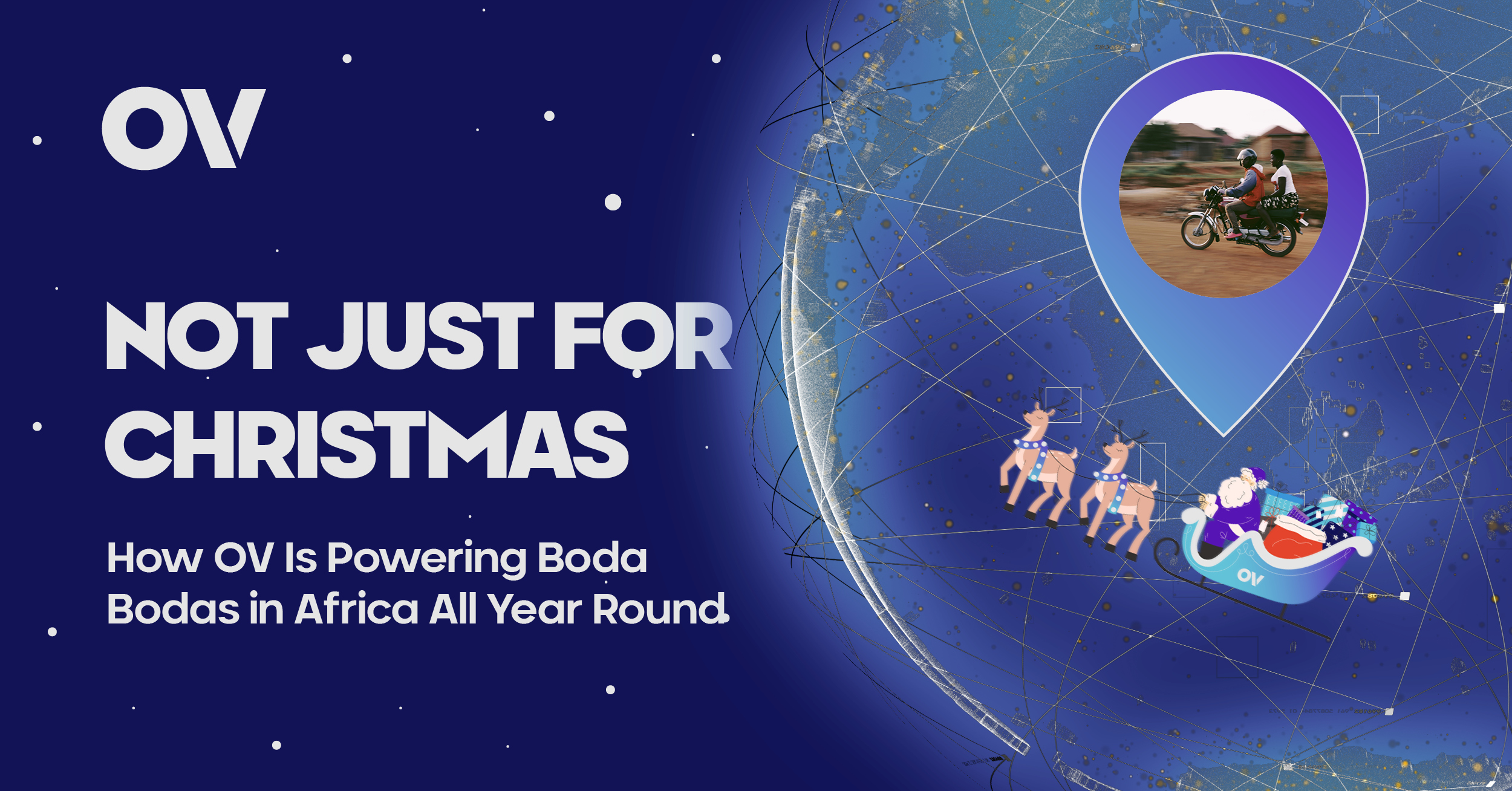
Across East Africa’s busy cities and rural towns, one vehicle connects people, communities and commerce: the boda boda. These agile motorcycle taxis are everywhere, zipping through traffic in Kampala, ferrying packages in Nairobi, and powering microbusinesses in Kigali.
Once an informal means of transport, boda bodas are now at the heart of Africa’s mobility economy. And with IoT connectivity, they are rapidly evolving into a smarter, safer, and more sustainable network that is redefining how Africa moves.
What Exactly Is a Boda Boda?
The term “boda boda” was first used on the Kenya–Uganda border in the 1960s, when cyclists would shuttle people “border to border”. As motorcycles replaced bicycles, the name stuck — and a regional movement began.
Today, there are more than five million boda bodas operating across East Africa. They move everything from passengers to parcels, and they sustain millions of livelihoods. In Kenya alone, the sector contributes over $4 billion to the economy each year.
Boda bodas have become more than transport. They are the backbone of urban logistics, the enablers of e-commerce and the first step in digital inclusion for millions.
Key Impacts of Cellular Connectivity
The boda boda revolution would not have been possible without cellular connectivity. The combination of mobile internet, smartphones and IoT-enabled devices has transformed how the industry operates — from informal street-hailing to sophisticated on-demand platforms.
1. Digital Transformation
The widespread availability of affordable smartphones and mobile data has enabled the rise of ride-hailing platforms such as SafeBoda, UberBoda, and Bolt. Riders and passengers now connect through mobile apps rather than relying on street hailing or waiting at stages.
This shift marks a fundamental digital transformation — replacing guesswork and negotiation with structured, data-driven services.
2. On-Demand Mobility
Connectivity enables the on-demand model that defines modern transport. Riders receive trip requests instantly, passengers track their journeys in real time, and payments are handled seamlessly through digital wallets. Without consistent mobile connectivity, this system would not function.
3. Safety and Tracking
IoT and cellular networks allow every trip to be tracked using GPS. Operators can monitor driver behaviour, provide real-time location updates, and quickly respond to accidents or route deviations. This transparency builds trust and improves passenger safety.
4. Data Collection and Regulation
With IoT connectivity, every trip becomes a data point. Platforms can analyse trip characteristics such as distance, duration and route efficiency. This data helps with:
• Self-regulation through rider ratings, reviews and behavioural monitoring.
• Urban planning, providing transport authorities with traffic insights and identifying underserved areas.
5. Financial Inclusion
Mobile money services, powered by cellular networks, have brought cashless payments to the industry. Riders can accept fares digitally, reducing the risk of theft and creating financial transparency. This has opened new opportunities for riders to access microloans, insurance and savings tools.
6. Fleet Management and E-Mobility
As electric boda bodas (e-bikes) gain popularity, cellular connectivity becomes critical. Operators use IoT systems to monitor battery range, charge levels and the location of battery-swapping stations. These features depend entirely on consistent network coverage.
Connectivity has turned boda bodas from standalone vehicles into nodes of a larger, data-driven ecosystem.
How OV Enables Smart Mobility Across Africa
At the heart of Africa’s connected transport revolution are IoT network operators like OV — powering the technology that keeps mobility moving.
1. Real Projects, Real Connectivity
OV currently supports connected boda boda and e-mobility projects across East Africa, providing reliable multi-network connectivity for tracking, digital payments, predictive maintenance and fleet management.
Each connected vehicle uses 2G/4G eUICC-enabled SIMs, providing the ideal balance of widespread coverage and future-proof flexibility. These SIMs ensure continuity across national borders and work seamlessly even in areas where network infrastructure is developing.
2. Reliable Multi-Network Coverage
Africa’s vast geography presents a key challenge: ensuring coverage across different regions and countries. OV solves this through direct-to-MNO sourced connectivity, giving customers access to multiple networks within each country.
This approach means that devices automatically connect to the strongest available signal, minimising downtime and data loss. It also enables cross-border tracking, an essential feature for regional fleet operations.
3. OV ONE: Full Visibility and Control
All OV-connected projects are managed through OV ONE, OV’s Connectivity Management Platform (CMP).
Using the OV ONE portal or REST API, mobility operators can:
• Provision and activate SIMs instantly
• Track data usage and performance in real time
• Monitor devices across multiple countries
• Set alerts for unusual activity or performance issues
For large-scale mobility providers, this single platform simplifies the complexity of managing thousands of IoT devices.
4. eUICC: Built for the Future
OV’s GSMA-compliant eUICC solution (embedded SIM) gives mobility operators flexibility and resilience. eUICC allows remote profile management, meaning network profiles can be changed or updated without replacing physical SIMs.
This ensures future-proof connectivity as new operators, standards and technologies (like LTE-M and 5G) become available.
5. Agility and Local Expertise
Unlike many global IoT providers, OV is agile and adaptable. The company negotiates directly with African network operators, securing local agreements that enhance service quality and reduce latency. This agility enables OV to scale alongside its customers as they expand into new territories.
The Real-World Benefits of IoT-Enabled Boda Bodas
The impact of IoT connectivity extends far beyond convenience. It is reshaping how the industry operates at every level.
Operational Efficiency
Connected fleets can be managed with precision. Operators gain live visibility into every trip, reducing idle time, fuel waste and unauthorised journeys.
Enhanced Safety
Real-time location tracking, driver behaviour analysis and automated alerts improve both rider and passenger safety. Platforms can use this data to train drivers and enforce safety standards.
Predictive Maintenance
IoT sensors detect potential mechanical or battery issues before they lead to breakdowns. This predictive approach reduces maintenance costs and keeps riders on the road for longer.
Data-Driven Decision Making
Trip and vehicle data support everything from route optimisation to demand forecasting. Fleet operators can analyse usage patterns, improve efficiency and even plan infrastructure investment more effectively.
Financial Empowerment
Digital payments and performance tracking create financial transparency. For riders, this means access to credit, insurance and incentives. For fleet owners, it builds a clear, auditable operational record.
The Future: Connected, Electric and Smarter
Africa’s boda boda industry is on the brink of a new era. Electric motorcycles are becoming increasingly viable, and IoT is the bridge connecting them to sustainable, intelligent operations.
IoT connectivity enables:
• Smart battery management, monitoring charge cycles and health
• Optimised charging infrastructure, tracking locations and availability of swap stations
• Energy efficiency, synchronising charging schedules with power grid availability
The result is an ecosystem where every bike is monitored, every trip is optimised and every connection creates value.
Imagine a future where riders benefit from affordable, zero-emission vehicles, customers enjoy safer journeys and cities plan transport using live mobility data. IoT connectivity makes that future possible, and OV is already helping to build it.
Connectivity Without Complexity: OV’s Role in Africa’s Mobility Revolution
Africa’s mobility transformation depends on one thing: reliable, intelligent connectivity.
OV provides exactly that. With global reach, multi-network reliability and the OV ONE platform, OV helps operators manage, monitor and grow connected fleets with confidence.
By combining its direct-to-MNO model, GSMA-compliant eUICC technology and local African partnerships, OV delivers the kind of resilient connectivity that makes smart mobility possible.
Because connectivity should empower, not complicate.
Let’s Get You Connected
If you are building the next generation of connected transport in Africa, from ride-hailing to e-boda fleets, OV can help you power it.
Book a free demo or request your free IoT trial SIM pack