Social Care
Why Lone Worker Connectivity Is Moving to VoLTE and What That Means for Safety
Originally published
February 9, 2026
Last Updated
February 15, 2026
Lone worker safety has shifted from a niche compliance requirement to a critical part of modern operations. Across utilities, healthcare, facilities management, retail, logistics, and construction, organisations are rethinking how they protect people who work alone, often in unpredictable or high-risk environments.
At the same time, the technology stack behind lone worker solutions is changing fast. Legacy voice networks are being phased out. Smartphones are becoming frontline safety devices. And expectations around reliability, privacy, and long-term support are rising.
One trend sits at the centre of all of this: the move to VoLTE-based connectivity.
This shift is not just a network upgrade. It is reshaping how lone worker safety solutions are designed, deployed, and trusted.
Lone Worker Safety Is Growing and Evolving
The definition of a “lone worker” has expanded dramatically over the last decade.
It no longer refers only to remote engineers or night-shift security staff. Today, it includes:
- Healthcare workers visiting patients alone
- Retail staff opening or closing stores
- Facilities and cleaning teams working out of hours
- Social workers, inspectors, and enforcement officers
- Utility and infrastructure engineers operating in isolated locations
As workforces become more distributed and flexible, organisations are under increasing pressure to demonstrate that they can protect employees wherever they are.
This has driven strong adoption of technology-led safety solutions, particularly those that are easy to deploy, scalable, and familiar to end users.
The Rise of the Lone Worker App
One of the clearest shifts in the market is the growing use of lone worker safety apps.
Instead of issuing every worker with a dedicated hardware device, many organisations are now deploying safety functionality through smartphone applications. These apps typically transform a standard mobile phone into a personal safety device.
While implementations vary, most modern lone worker apps include a combination of:
- SOS or panic alerts that can be triggered manually
- Automated check-ins or timed sessions that raise alerts if missed
- Fall detection or man-down alerts using device sensors
- Location sharing to support emergency response
- Two-way voice communication with monitoring centres or supervisors
The appeal is clear. Workers already carry smartphones. Training requirements are lower. Rollouts are faster. Updates can be delivered over the air rather than through hardware refresh cycles.
As a result, app-based solutions are becoming a core part of many organisations’ safety strategies, either alongside or instead of dedicated devices.
Apps Are Not “Lightweight” Safety Solutions
Despite their convenience, lone worker apps are not a compromise on safety.
In practice, many are now expected to meet the same operational standards as traditional hardware devices. That includes:
- Immediate call setup in emergency scenarios
- Reliable voice quality under stress
- Accurate and timely location data
- Consistent performance across regions
- Strong data protection and privacy controls
This is where connectivity becomes critical.
A lone worker app is only as effective as the network it relies on. In a distress situation, delayed calls, dropped connections, or inconsistent coverage are not acceptable.
For builders of safety platforms, this raises a fundamental question: how do you ensure app-based safety works when it matters most?
Why Legacy Voice Is No Longer Fit for Purpose
Historically, many safety solutions relied on traditional circuit-switched voice networks. These networks were designed for consumer telephony, not modern data-driven applications.
Today, that model is breaking down for three reasons.
First, 2G and 3G networks are being sunset globally. Timelines vary by country, but the direction is clear. Relying on legacy voice creates long-term risk for any safety platform with multi-year deployments.
Second, legacy voice struggles to integrate cleanly with modern app architectures. Lone worker solutions increasingly combine voice, data, location, and platform logic. Circuit-switched voice was never designed for that level of orchestration.
Third, expectations have changed. Organisations now expect faster call setup, better audio quality, and more reliable connections, especially in emergency use cases.
This is why VoLTE is becoming the default foundation for new lone worker deployments.
What VoLTE Changes for Lone Worker Safety
Voice over LTE moves voice calls onto the LTE data network. For lone worker solutions, this brings several important advantages.
Call setup times are typically faster, which matters when an SOS alert is triggered under stress. Audio quality is more consistent, improving communication between the worker and the response team. Voice traffic can also be prioritised and managed alongside other data services.
Just as importantly, VoLTE aligns voice communication with the rest of the app’s data flow. Location updates, alerts, and voice sessions all operate within the same IP-based environment.
For builders, this simplifies architecture and improves control. For organisations deploying safety solutions, it increases confidence that the system will behave predictably in real-world conditions.
Smartphones and Dedicated Devices Are Now Coexisting
The growth of lone worker apps does not mean dedicated devices are disappearing.
In many sectors, both models now exist side by side.
Dedicated hardware devices are still preferred where:
- Battery life must last days or weeks
- Physical panic buttons are required
- Devices need to be intrinsically simple or tamper-resistant
- Workers do not carry smartphones as part of their role
At the same time, apps are increasingly used where flexibility, speed of deployment, and familiarity are priorities.
This mixed landscape creates new connectivity challenges. Platforms must support smartphones and specialist devices. Coverage must be consistent across different form factors. Voice behaviour must be predictable regardless of device type.
Connectivity is no longer a background utility. It is part of the product experience.
BAU Reliability Is the Baseline
A common mistake is to think about lone worker connectivity only in emergency scenarios.
In reality, business-as-usual reliability is what builds trust.
Workers need to believe the app will work every day, not just during a crisis. Check-ins must trigger correctly. Location updates must be accurate. Voice calls must connect first time.
From an organisational perspective, false alerts, missed alerts, or inconsistent performance quickly undermine confidence in the system. That leads to lower adoption and increased operational risk.
For connectivity providers supporting these solutions, this means designing for uptime, resilience, and predictability as standard, not as optional extras.
Trust, Privacy, and Long-Life Support
Lone worker solutions operate in a sensitive space.
They collect personal location data. They record voice interactions. They are used in moments of vulnerability.
As a result, trust is non-negotiable.
Workers need assurance that their data is handled responsibly and only used when appropriate. Organisations need clarity over where data flows, how connectivity is managed, and what happens over the life of the deployment.
This is particularly important because lone worker solutions are rarely short-term projects. Devices and apps may remain in use for five, seven, or even ten years. Connectivity decisions made early have long-term consequences.
Builders need partners who can support that lifecycle without forcing disruptive migrations or unexpected changes.
What the Shift to VoLTE Means for Builders
For teams building lone worker apps and platforms, the move to VoLTE changes several design assumptions.
Network choice becomes strategic rather than tactical. Coverage quality, roaming behaviour, and fallback options all matter. Device certification and compatibility must be managed carefully to avoid fragmented performance.
There is also a growing need for visibility and control. Builders want to understand how connectivity behaves across regions, how voice sessions perform, and how issues can be diagnosed quickly.
This is driving demand for connectivity platforms that are designed specifically for IoT and critical use cases, rather than repurposed consumer mobile services.
How OV Supports Lone Worker Connectivity
OV works with builders of lone worker and people safety solutions to provide connectivity that is designed for reliability, scale, and long-term deployment.
As a global IoT mobile network operator, OV supports VoLTE-based architectures across multiple regions, helping platforms maintain consistent behaviour as they grow. With a focus on clarity and control, OV enables teams to manage connectivity as part of their product, not as an afterthought.
The goal is simple: help builders focus on protecting people, without being distracted by connectivity complexity.
FAQs: Lone Worker Apps, VoLTE, and Connectivity
What is a lone worker app?
A lone worker app is a smartphone application that provides personal safety features such as SOS alerts, automated check-ins, location tracking, and voice communication for people working alone.
Are lone worker apps replacing dedicated devices?
In many cases, they complement rather than replace them. Apps are increasingly common, but dedicated devices remain important in certain environments.
Why is VoLTE important for lone worker solutions?
VoLTE improves call setup times, voice quality, and integration with data services, which are critical in emergency and safety scenarios.
Can lone worker apps be trusted for critical use cases?
Yes, when they are designed with reliable connectivity, clear operational processes, and strong privacy controls.
How long do lone worker deployments typically last?
Many run for several years, which makes long-term network support and technology roadmaps essential.
See Lone Worker Connectivity in Action at MWC
If you are building or operating lone worker safety solutions and want to understand how VoLTE-based connectivity supports reliability, trust, and scale, come and see it live.
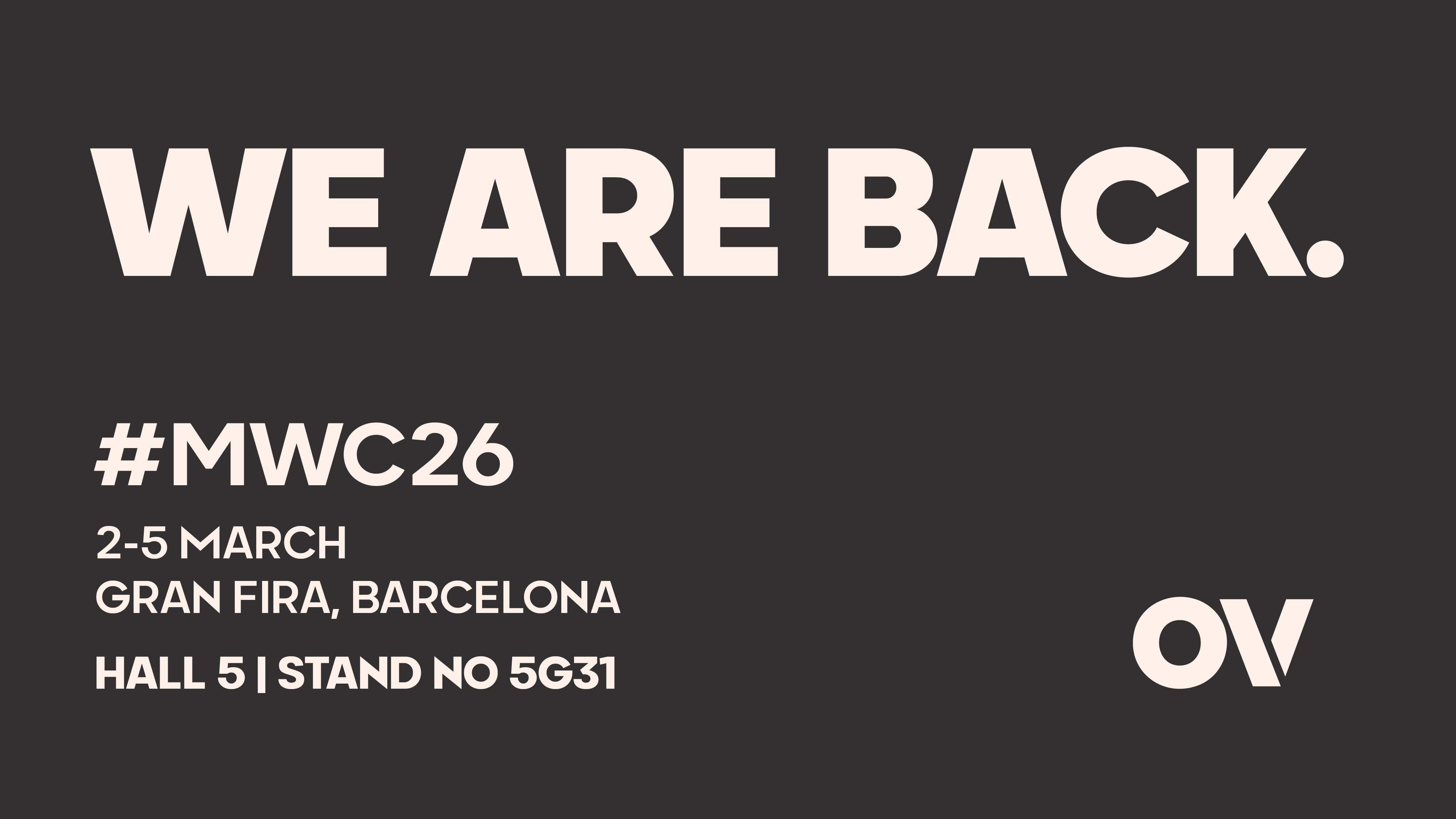
Visit OV at MWC.
Hall 5, Stand 5G31.
We’ll be demonstrating how we power lone worker connectivity for modern safety platforms.
READ MORE
DISCOVER MORE NEWS AND DEVELOPMENTS IN IOT & GLOBAL CONNECTIVITY